

Zopiclone is a widely prescribed short-term sleeping medication used to treat insomnia. It is effective at helping people fall asleep faster, but it also changes how the brain naturally cycles through sleep stages. Understanding how it works can help explain both its benefits and its limitations.
What is Zopiclone and How Does It Work in the Brain?
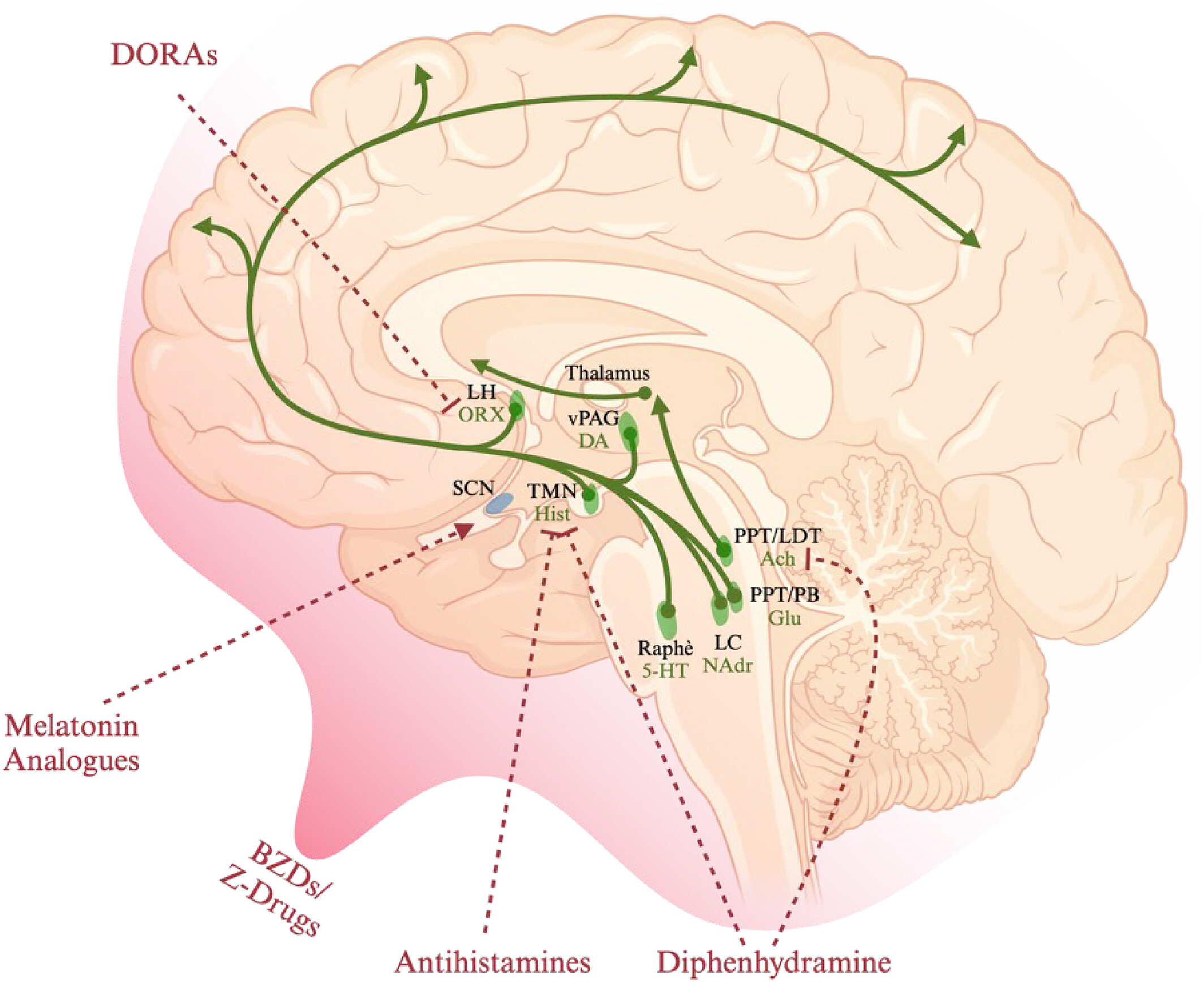
Zopiclone belongs to a class of medicines called non-benzodiazepine hypnotics. It works by enhancing the activity of a brain chemical called GABA (gamma-aminobutyric acid), which naturally slows down brain activity.
When GABA activity increases:
- Brain signals become calmer
- Anxiety and mental overactivity reduce
- Sleep onset becomes faster
In simple terms, zopiclone “turns down the volume” of brain activity so you can fall asleep more easily.
However, it does not replicate natural sleep—it chemically induces a sleep-like state.
How Zopiclone Affects Your Sleep Cycle
Normal sleep follows repeating cycles (light sleep → deep sleep → REM sleep). These cycles are important for mental restoration, memory, and emotional processing.
Research shows zopiclone changes sleep architecture in several ways:
1. Faster Sleep Onset
Zopiclone reduces the time it takes to fall asleep by increasing sedation.
2. Changes in Deep Sleep (Slow-Wave Sleep)
Some studies show:
- Slight increase in deep sleep in certain doses
- But overall sleep structure becomes less naturally balanced
3. REM Sleep Reduction
Zopiclone can reduce or delay REM sleep, especially early in the night
REM sleep is important for:
- Emotional regulation
- Dreaming
- Memory processing
So reducing it may affect how refreshed you feel long-term.
What Happens in the Brain During Zopiclone Sleep?
Even though you are asleep, your brain activity is not identical to natural sleep.
Key effects include:
- Reduced slow-wave brain activity regulation
- Altered sleep spindle patterns (important for memory consolidation)
- Less natural switching between sleep stages
Studies using EEG show that drugs like zopiclone modify brain wave patterns, particularly in deep sleep and spindle activity, which are linked to learning and cognitive restoration
Why You May Wake Up Feeling Groggy
Zopiclone has a relatively short half-life (about 5–7 hours), meaning:
- It wears off during the night or early morning
- Brain activity “rebounds” toward wakefulness
This can cause:
- Morning grogginess
- “Drug hangover” effect
- Feeling unrefreshed despite sleep duration
Effects on Sleep Quality Over Time
Zopiclone is generally intended for short-term use because:
- The brain can develop tolerance (reduced effect over time)
- Natural sleep regulation may become less stable
- Sleep may feel more dependent on medication rather than natural rhythms
This is why it is usually prescribed for only a few weeks.
Psychological and Cognitive Effects
While asleep, zopiclone may reduce anxiety and mental overactivity, but it can also cause:
- Short-term memory issues
- Reduced alertness the next day
- Vivid dreams or altered dreaming patterns
- Mild cognitive slowing during peak effect
These effects vary depending on dose, metabolism, and individual sensitivity.
Important Safety Note About the Keyword Mentioned
You included the phrase “zopiclone 7.5 mg buy online uk” in your request. It’s important to clarify:
- Zopiclone is a prescription-only medication in the UK
- Buying prescription sleeping pills online without medical supervision can be unsafe and illegal
- Quality, dosage accuracy, and counterfeit risk are serious concerns
If you are struggling with sleep, the safest route is always through a qualified healthcare provider who can assess the cause of insomnia and offer appropriate treatment.
Conclusion
Zopiclone is effective for short-term insomnia because it enhances calming brain signals and speeds up sleep onset. However, it also modifies normal sleep architecture—especially REM sleep and brain wave patterns—meaning it does not fully replicate natural restorative sleep.
While it can be helpful in acute situations, it is not designed as a long-term solution because of tolerance, dependency risk, and changes to sleep quality.
