

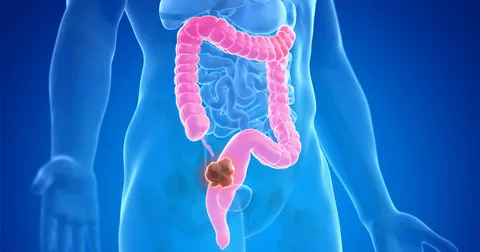
Cancer treatment has changed dramatically over the past decade, and patients diagnosed today have options that simply didn’t exist even five or ten years ago. If someone is facing an anal or colorectal cancer diagnosis, understanding what’s new in treatment can feel hopeful instead of just terrifying.
The truth is that doctors now have tools and techniques that are gentler on the body, more effective at fighting cancer, and more focused on keeping patients’ quality of life intact. Knowing what’s available can help patients have better conversations with their care team and feel more confident about their treatment journey.
Understanding Immunotherapy Breakthroughs
One of the biggest changes in cancer treatment is something called immunotherapy, which is a completely different approach than traditional chemotherapy. Instead of killing cancer cells directly, immunotherapy works by helping the body’s own immune system recognize and fight the cancer cells.
Think of it like training the body’s defense system to spot the enemy and attack it. Immunotherapy has shown incredible promise in treating colorectal cancers, especially in cases where the cancer has certain genetic markers that make it vulnerable to this type of treatment.
Patients who might not have responded well to standard chemotherapy are now getting real results from immunotherapy drugs. The side effects are often different and sometimes less severe than traditional chemo, which means patients can feel better during treatment and recover faster afterward.
Exploring Minimally Invasive Surgery Options
Surgery is still an important part of treating many colorectal cancers, but how doctors perform surgery has evolved significantly. Instead of large incisions that require weeks of recovery, many surgeons now use laparoscopic surgery, which means they make several small cuts instead of one big one.
They insert a tiny camera and special instruments through these small openings so they can see and remove the cancer without opening the entire abdomen. Minimally invasive surgery means less pain after surgery, shorter hospital stays, and faster recovery times.
Patients are often shocked at how quickly they can get back to normal activities. Some people go home the same day or the next day instead of spending a week in the hospital. The smaller incisions also mean fewer complications and less scarring.
Discovering Targeted Drug Therapies
Scientists have figured out that different cancers have different genetic weaknesses, and now doctors can test individual tumors to identify exactly what drugs will work best. Instead of using the same chemotherapy for everyone, doctors can personalize treatment based on the specific cancer cells present. It’s like having a key that fits that specific lock instead of trying all the keys. These targeted drugs are designed to attack cancer cells while leaving healthy cells alone, which is why they often have fewer side effects than traditional chemotherapy.
Patients might experience different side effects or milder ones compared to what they expected. Finding the right targeted drug can make a huge difference in how well someone tolerates treatment and how well the cancer responds.
Learning About Advanced Imaging Technology
Before treatment even begins, doctors use advanced imaging to see exactly where the cancer is and how far it’s spread. Modern imaging technology like PET scans and advanced MRI give much clearer pictures than older technology.
This means doctors can plan surgery more precisely and catch metastasis, which is cancer that has spread to other parts of the body, much earlier than before. Better imaging also means better follow-up care after treatment.
Patients’ doctors can monitor them more closely to catch any recurrence early, when treatment is most effective. This technology has improved survival rates because early detection allows for earlier intervention. Patients benefit from the peace of mind that comes with knowing their doctors are watching carefully.
Benefiting From Personalized Treatment Plans
Instead of a one-size-fits-all approach, cancer care at places like South Shore Health now focuses on creating treatment plans specifically designed for each patient’s unique situation. Doctors consider the patient’s age, overall health, the cancer’s stage and genetics, and even the patient’s personal goals for quality of life. A treatment plan for a sixty-year-old patient might look completely different from a treatment plan for a thirty-year-old patient with the same cancer type.
Personalized medicine also means patients have more say in their treatment. Doctors discuss options and help patients understand the tradeoffs of each choice. Some patients might prioritize aggressive treatment to fight the cancer hard while others might prioritize quality of life during treatment. Both approaches are valid, and modern cancer care respects individual preferences.
Treatment Today Offers Real Hope
The advances in anal and colorectal cancer treatment reflect years of research and thousands of patients who participated in clinical trials. Patients diagnosed today have access to treatments that are more effective, gentler, and more personalized than anything available just years ago. While cancer is still serious, the options available now give patients real reasons for hope and confidence in their treatment journey.
